
Waterproofing.
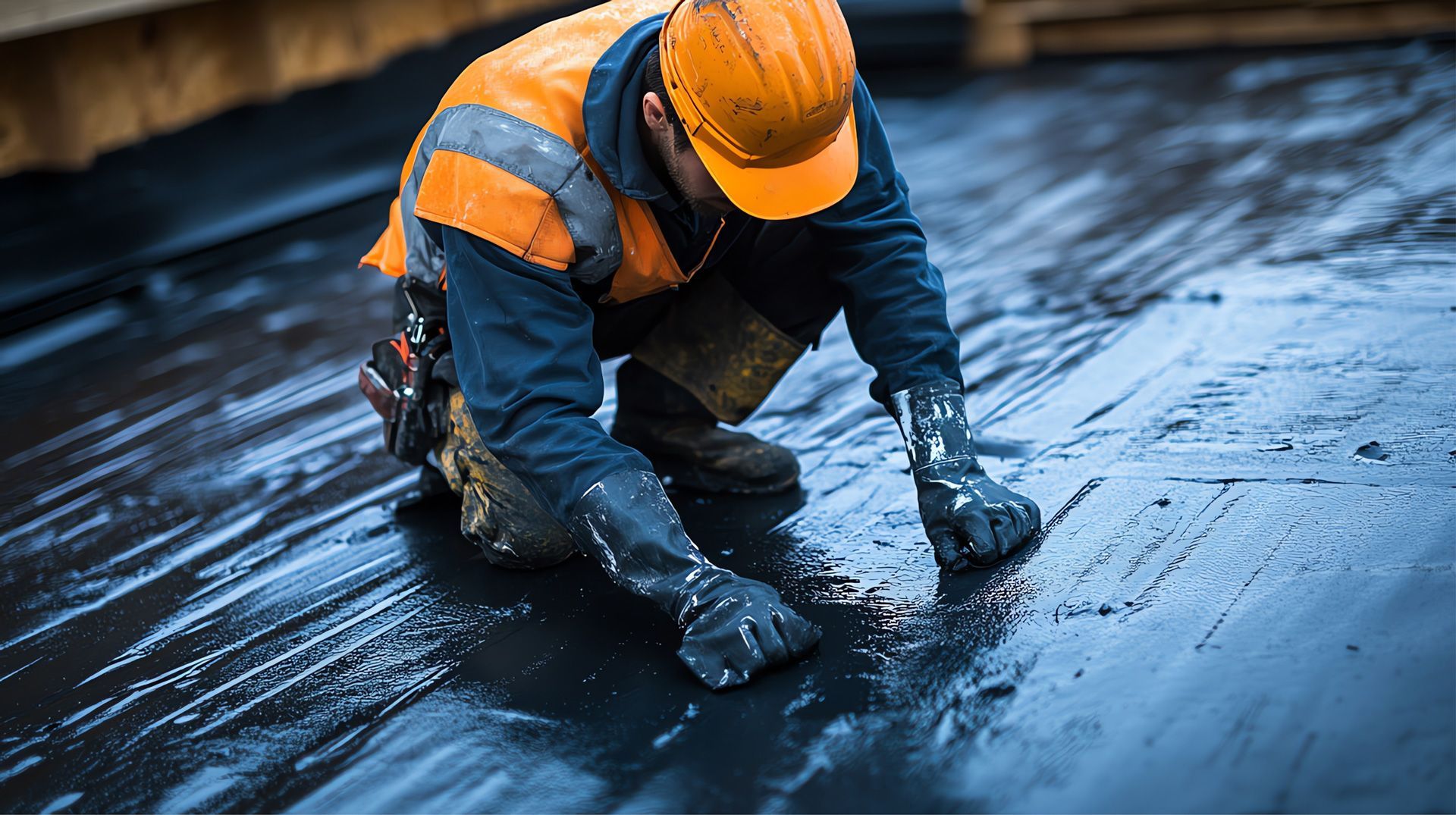
Waterproofing involves making a surface or item resistant to water damage.
This is achieved by treating the surface or item with a combination of materials or systems to create an impervious barrier, preventing water from penetrating or escaping under osmotic pressure.
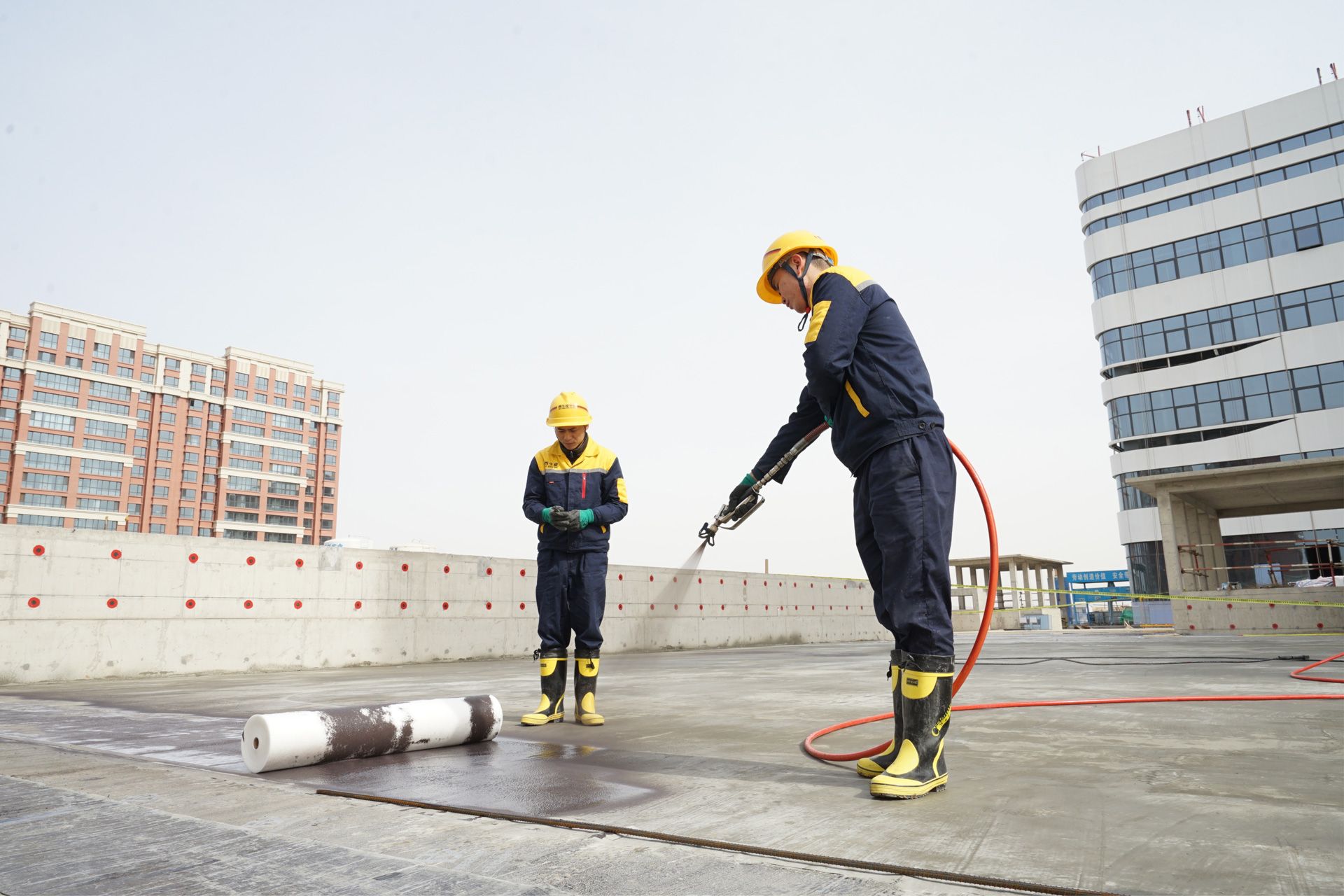
SELECTION, INSTALLATION & APPLICATION
The correct selection, installation, and application of the specified waterproof membrane system are absolutely critical. We offer a range of superior waterproofing applications tailored to specific customer needs.
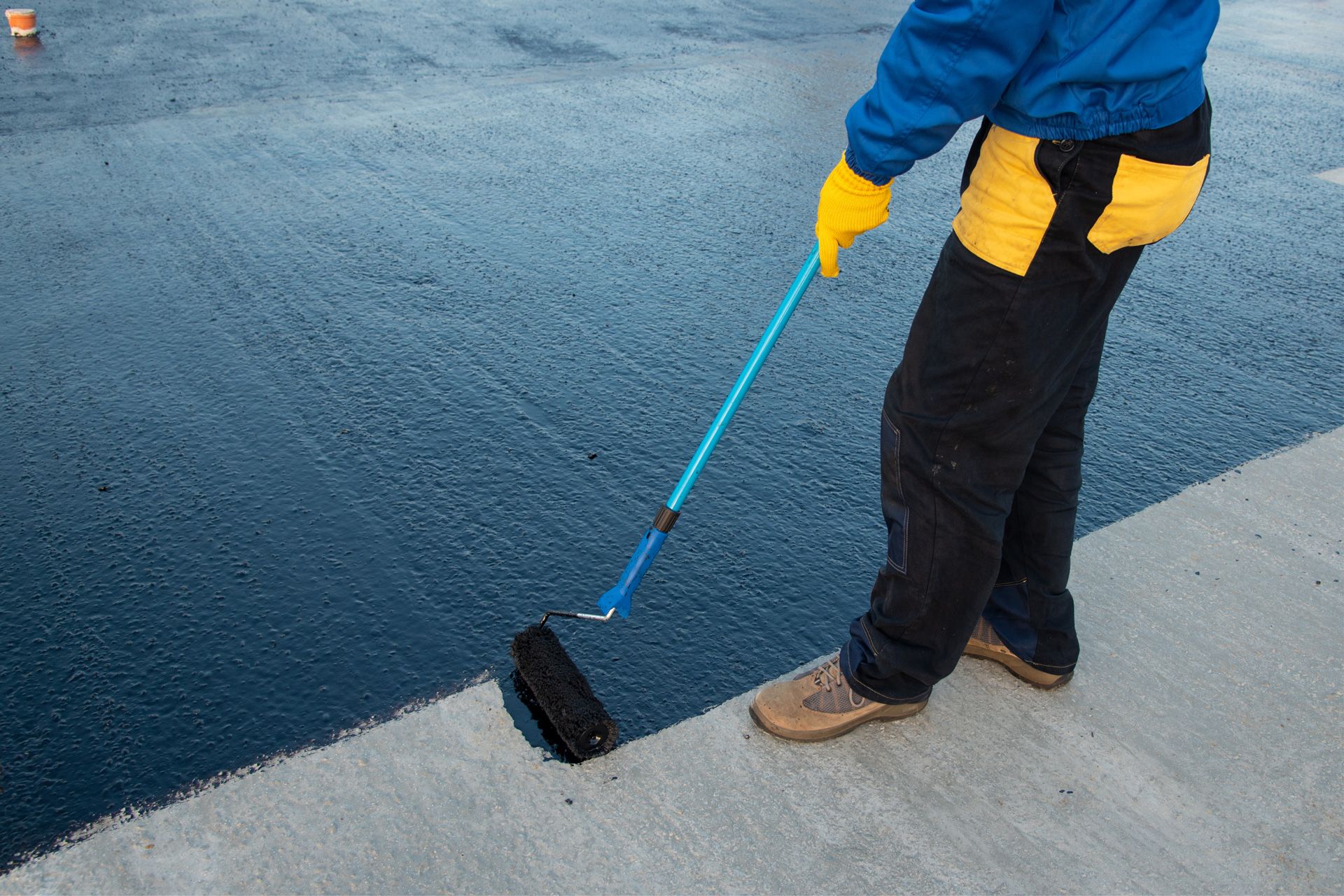
FOR ALL YOUR WATERPROOFING NEEDS
Our technicians are passionate and professional in their approach to waterproofing, treating every project as if it were their own floor. With a wealth of knowledge about products and application processes at our disposal, we are committed to completing all projects to the highest standards, on time and on budget.
With our expertise, you can trust that your waterproofing needs will be met with the highest quality solutions.
Types of Waterproofing
Tanking
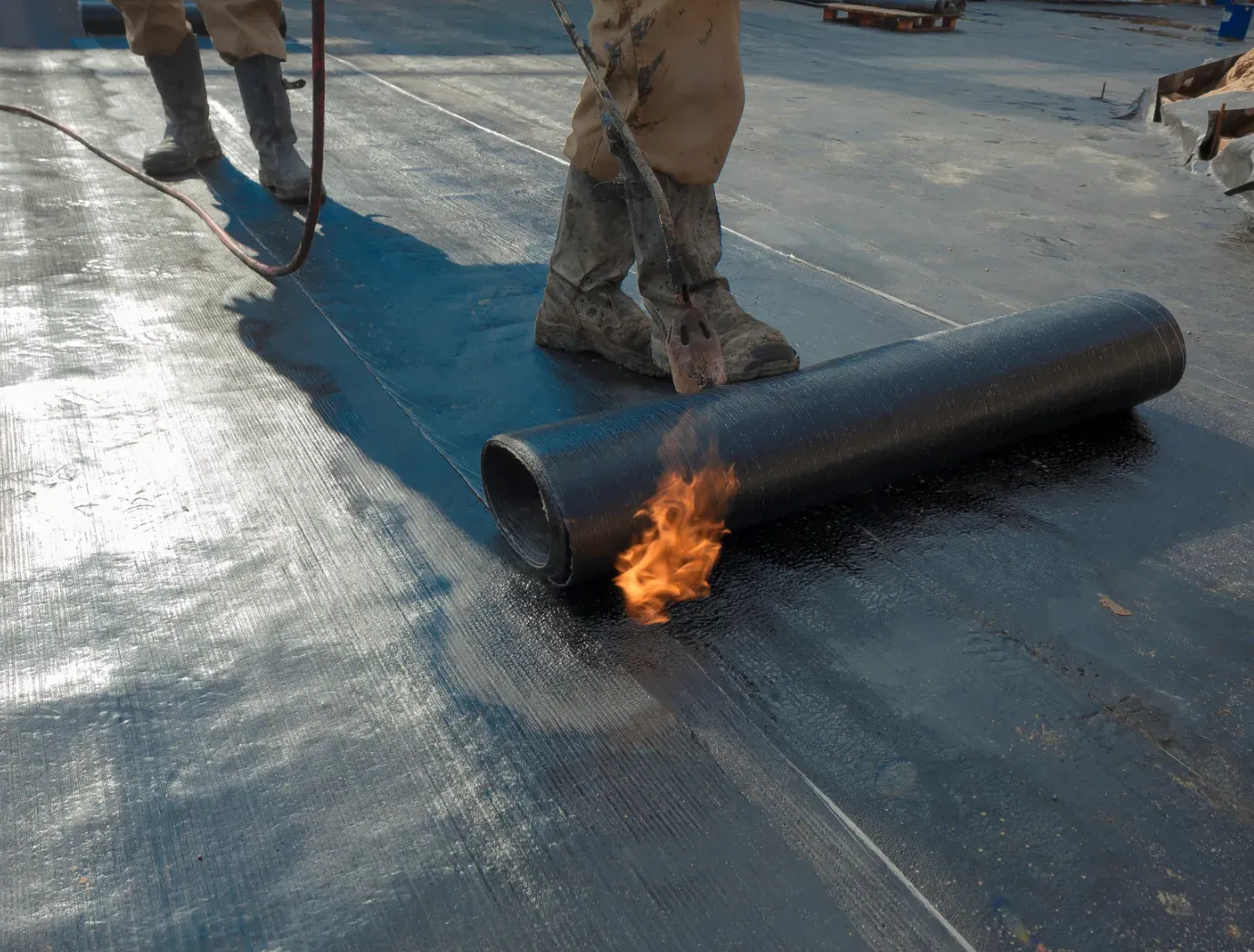
Tanking involves applying a waterproof barrier to walls and floors to prevent water ingress.
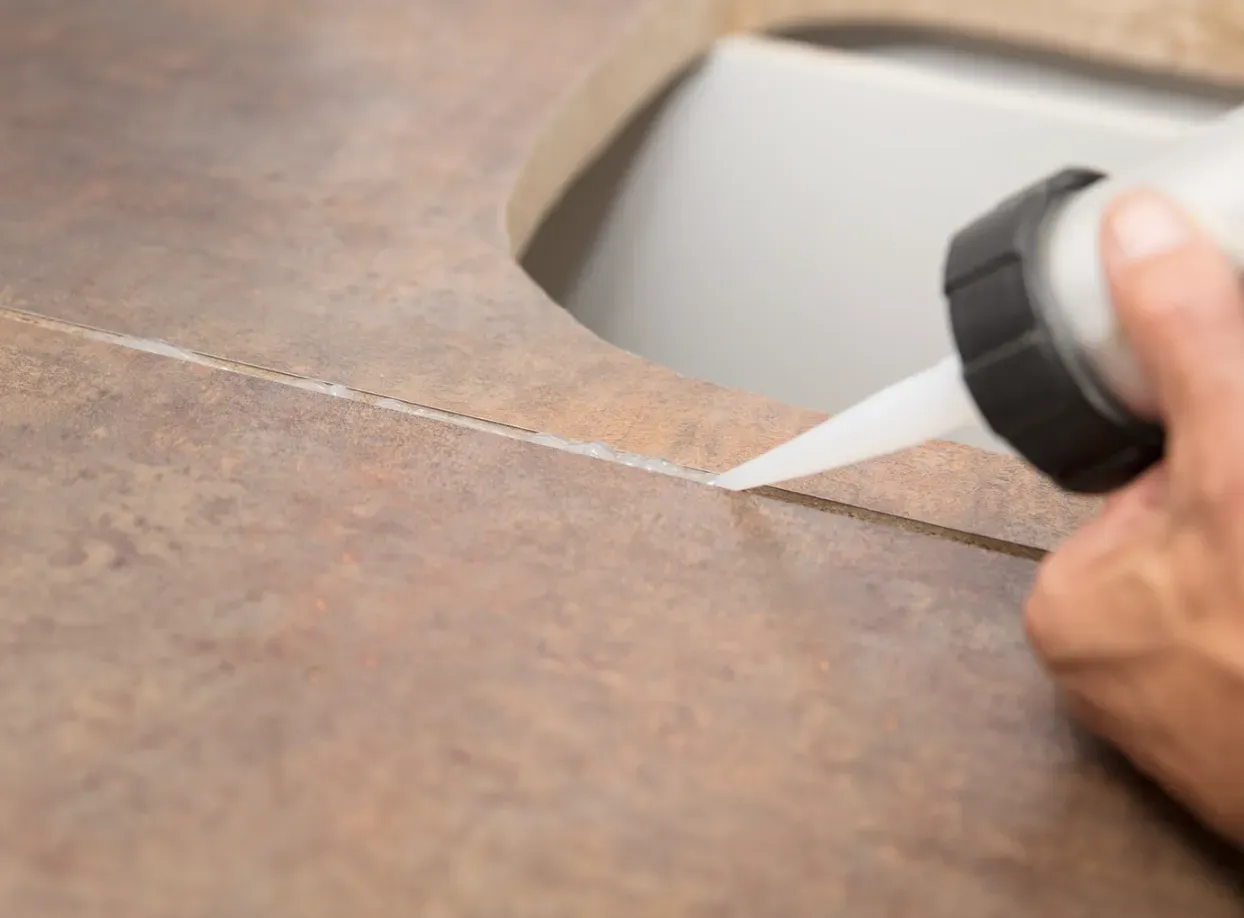
Caulking
Caulking is essential for sealing gaps and joints to prevent water leakage and air infiltration.
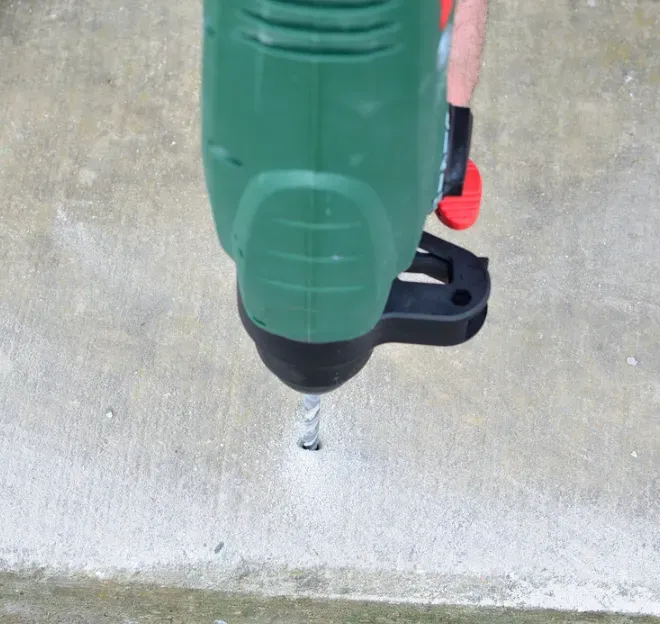
Injections
Injection waterproofing is a versatile method for repairing cracks and leaks in concrete structures.
Tanking
Waterproofing Membranes
Waterproofing membranes provide a physical barrier to prevent water from entering a structure. They are essential for high-risk projects, where water infiltration would cause significant problems. Combining a drainage system with a fully bonded waterproofing membrane is highly effective for critical areas below the water table, significantly reducing the risk of water ingress.
The membrane is applied before the foundation is poured, creating a strong bond between the slab and walls. Once installed, waterproofing membranes generally require little maintenance. Choosing an adhesive-bonded membrane enhances the structure's durability by making the membrane and concrete a single, cohesive entity.
Caulking
Caulking is a type of sealing material used to create a water-resistant barrier in joints, seams, and gaps between building materials. It is designed to prevent water, air, and other environmental elements from penetrating these vulnerable areas, thus protecting the structure from potential damage. Here are key characteristics and applications of caulking:
Key Characteristics
- Elasticity: Caulking is flexible and can expand and contract with the materials it is applied to, ensuring a long-lasting seal that won't crack or break under stress.
- Durability: It is designed to withstand exposure to water, UV rays, temperature fluctuations, and other harsh environmental conditions.
- Adhesion: This type of caulking adheres strongly to a variety of surfaces, including wood, metal, glass, masonry, and some plastics, ensuring a secure and reliable seal.
- Resistance to Mould and Mildew: The waterproof caulking products we utilise contain antimicrobial properties to resist mould and mildew growth, which is crucial in wet or humid environments.
Types of Waterproof Caulking
- Silicone Caulking: Highly flexible and durable, silicone caulking is ideal for areas exposed to water, such as bathrooms, kitchens, and exterior applications. It adheres well to non-porous surfaces like glass and metal.
- Polyurethane Caulking: Known for its strong adhesion and flexibility, polyurethane caulking is suitable for both interior and exterior applications.
Injections
Waterproofing injections are a highly effective method used to seal and repair cracks, joints, and voids in concrete structures to prevent water ingress. This technique involves injecting specialised materials directly into the affected areas, creating a barrier that blocks water pathways. Waterproofing injections are commonly used in both residential and commercial applications.
Key Characteristics
- Versatility: Waterproofing injections can be used to address a wide range of issues, including active leaks, hairline cracks, and larger structural faults.
- Durability: The materials used in injections are designed to form a long-lasting seal that can withstand hydrostatic pressure and environmental changes.
- Rapid Application: Injections can often be completed quickly, making them ideal for urgent repairs and minimising downtime.
Types of Injection Materials
- Polyurethane Foam: This material is highly flexible and expands upon contact with water, filling cracks and voids completely. It is ideal for sealing dynamic cracks that may continue to move slightly.
- Epoxy Resin: Known for its strong adhesive properties and rigidity, epoxy resin is used for structural repairs where the crack needs to be permanently bonded and stabilised.
- Acrylic Gel: This material is used for fine cracks and can penetrate deep into the concrete. It is highly effective in creating a waterproof barrier and is often used in conjunction with other materials for comprehensive waterproofing.
How It Works
Installation is just the beginning — we're here for maintenance, questions, and future upgrades. Your comfort and safety is our long-term commitment.
Schedule a Consultation
We’ll evaluate your space, discuss your cooling needs, and recommend the best unit for your home and budget.

Get a Transparent Quote
After the assessment, we’ll provide a clear quote that includes all installation costs, with no hidden fees.
Professional Installation
Our technicians will arrive on time and complete the job with attention to detail. We test everything and leave your space clean.
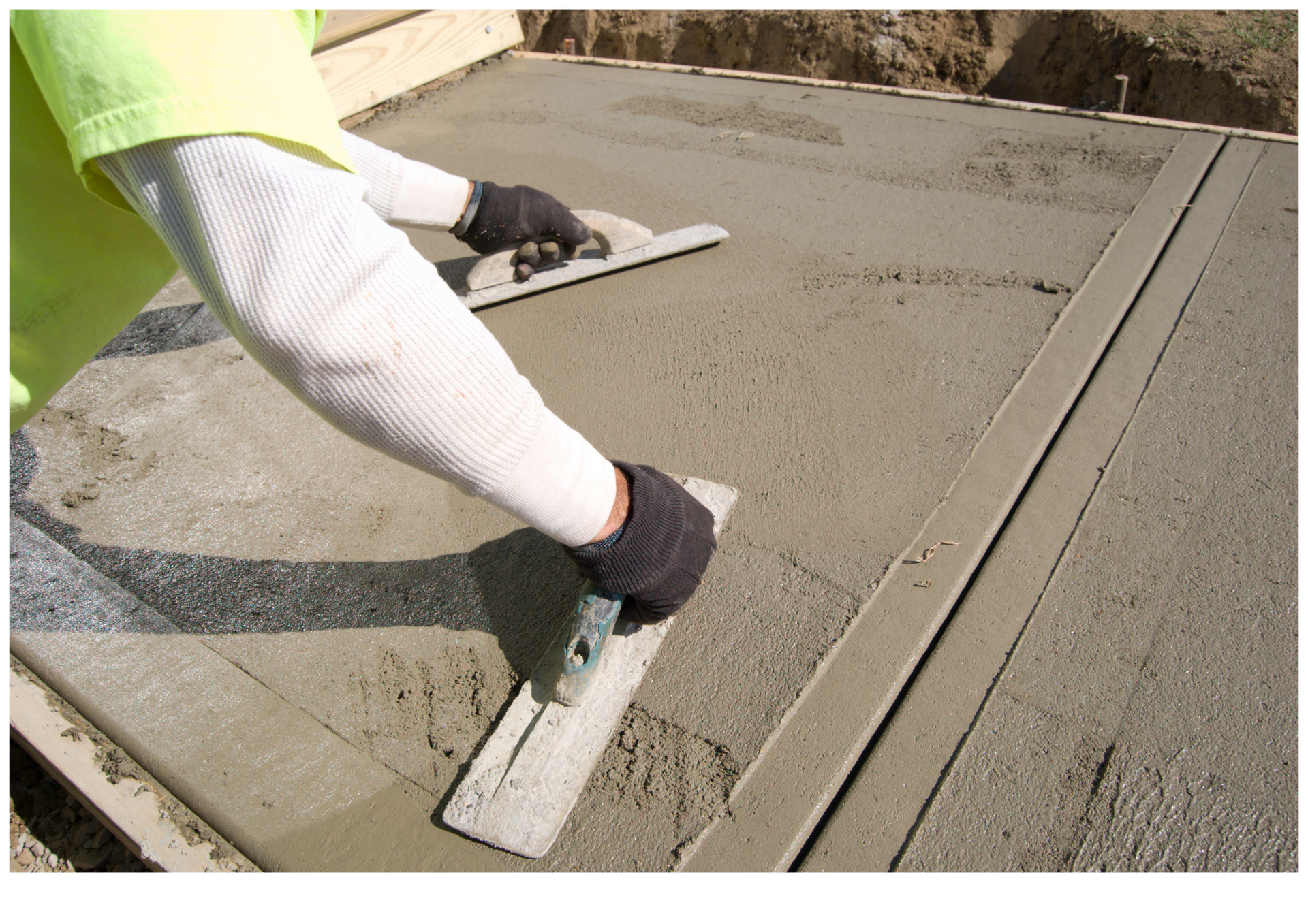
Post-Installation Support
We walk you through how to use your new system and remain available for follow-up questions, maintenance, or future support.

FAQS
Your Waterproofing Questions Answered
With our expertise, you can trust that your waterproofing needs will be met with the highest quality solutions.
What waterproofing systems do you use for commercial buildings?
Dr. Floors utilises membrane systems, liquid coatings and moisture barriers designed for concrete floors, rooftops, plant rooms and service areas.
How does waterproofing protect industrial facilities long-term?
Our waterproofing systems block water from entering into our flooring installations, this reduces mould growth and prevents structural deterioration caused by moisture or environmental pollutants.
Do you install waterproofing in hygiene-sensitive environments?
Yes. Our systems follow strict hygiene standards and are perfect for areas such as food production and preparation, laboratories and medical facilities.
What is the typical lifespan of a commercial waterproofing system?
Dr. Floors waterproofing systems last 10–20 years, with full-insulation warranties to ensure that any damages made to floors we work on are at no extra cost to our customers.
Can waterproofing be applied to existing concrete surfaces?
Yes. Dr. Floors can upgrade any floor with our superior waterproofing system, ensuring a long-lasting, more hygienic surface.
